

Jan
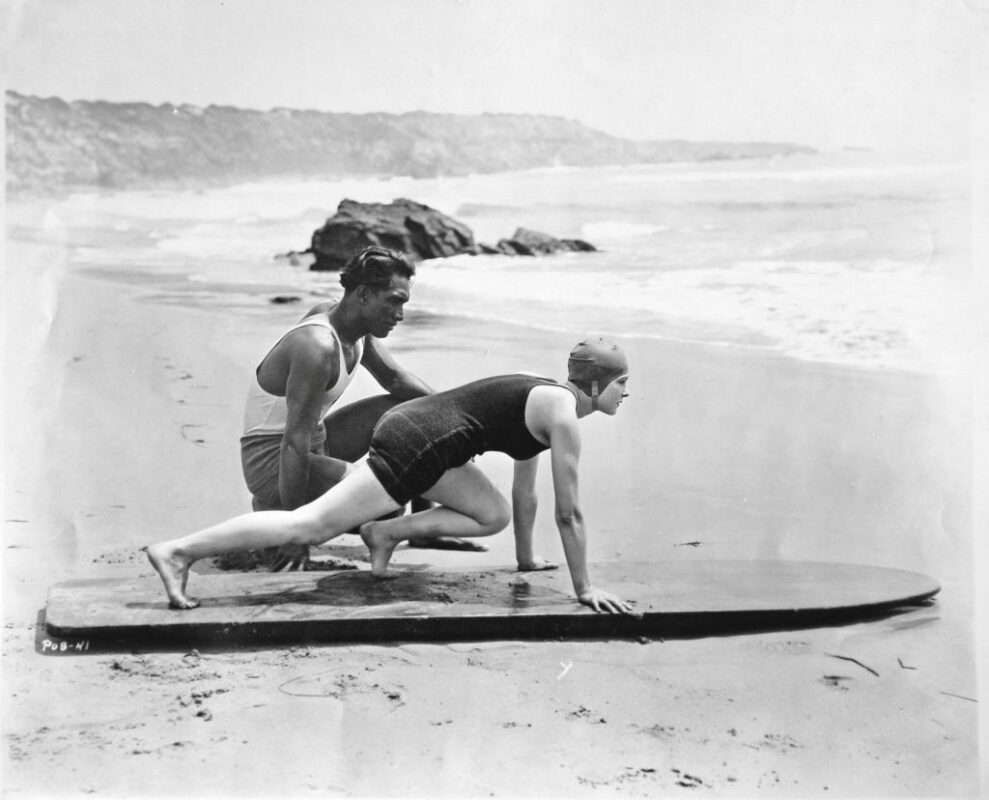
Image courtesy of surfersjournal
Panama Dave: The Last of the Original Waikiki Beach Boys
How a part-Hawaiian waterman became the living link to Duke Kahanamoku’s era and taught the world what it means to be a true Beach Boy
The Man Who Never Left Paradise
While most people visit Waikiki Beach for a week’s vacation, Panama Dave made it his home and office for more than 60 years. From the 1940s until his passing in 2014, David “Panama Dave” Crowningburg embodied everything a Waikiki Beach Boy represented: expert waterman, generous teacher, cultural ambassador, and keeper of the aloha spirit.
He didn’t just work the beach—he was the beach. His weathered hands guided thousands of first-time surfers to their feet. His stories connected visitors to Hawaii’s rich surfing heritage. His presence reminded everyone that Waikiki Beach Boys weren’t just surf instructors; they were guardians of an ancient Hawaiian tradition.
As one of the last Beach Boys who actually knew and surfed with Duke Kahanamoku, Panama Dave served as a living bridge between surfing’s golden age and the modern era. His legacy reminds us that authentic Hawaiian beach culture is about more than teaching tourists to ride waves—it’s about sharing aloha, preserving tradition, and treating the ocean with the respect it deserves.
From Mixed Roots to Hawaiian Heart
Born David Kahanamoku Crowningburg in 1925, Panama Dave came from a unique heritage that reflected Hawaii’s multicultural tapestry. His mother was part-Hawaiian, connecting him to the islands’ indigenous culture and ocean traditions. His father, who worked on the Panama Canal, gave him both his unusual nickname and a connection to the broader Pacific world.
The Kahanamoku Connection
The “Kahanamoku” in his name wasn’t coincidental. While the exact family relationship has been debated by historians, Panama Dave grew up in the orbit of Duke Kahanamoku’s extended family and the tight-knit Waikiki beach community. This connection gave him direct access to the waterman who had introduced surfing to the world and set the standard for what a Beach Boy should be.
Young David absorbed lessons from Duke and the original Beach Boys:
- Respect for the ocean above all else
- Generosity with knowledge rather than hoarding expertise
- Aloha for everyone regardless of background or status
- Pride in Hawaiian culture and its preservation
- Excellence in all water skills from surfing to canoe paddling
These principles would guide Panama Dave’s entire life and career.
Growing Up on Waikiki
In the 1930s and 1940s, Waikiki looked nothing like today’s high-rise resort district. The beach was a working waterfront where Hawaiian families lived, fished, and gathered. The Beach Boys weren’t employees of hotels—they were independent watermen who earned their living through skill, reputation, and relationships.
Panama Dave learned to surf in this authentic environment, where ocean knowledge was passed down through hands-on experience rather than formal lessons. He mastered traditional Hawaiian waterman skills:
- Board surfing on heavy redwood and koa planks
- Outrigger canoe paddling and steering
- Spearfishing and ocean foraging
- Wave and weather reading
- Water safety and rescue techniques
By his late teens, Panama Dave had earned his place among Waikiki’s Beach Boys—a status that had to be proven through skill and character, not simply claimed.
The Golden Age of Waikiki Beach Boys
The 1940s and 1950s represented the classic era of Waikiki Beach Boys, and Panama Dave witnessed and participated in this cultural flowering. The Beach Boys weren’t just surf instructors; they were an institution that defined Waikiki’s identity.
The Beach Boy Tradition
True Beach Boys operated under an unwritten code:
- They lived for the ocean, often sleeping on the beach or in simple beachside shacks
- They shared waves generously with visitors and locals alike
- They maintained impeccable water skills across multiple disciplines
- They dressed distinctively in aloha shirts, white pants, and flower leis
- They knew everyone from hotel managers to visiting celebrities
- They protected their beach and the people enjoying it
Panama Dave embodied these values throughout his career. He understood that being a Beach Boy meant representing Hawaiian culture to the world with dignity, skill, and aloha.
Working the Pre-Tourism Waikiki
Before mass tourism transformed Waikiki into a resort destination, the Beach Boys served a different clientele. Wealthy travelers arrived by steamship for extended stays at the Royal Hawaiian or Moana hotels. They expected personalized service from skilled watermen who could provide surf lessons, canoe rides, fishing expeditions, and insider knowledge of the islands.
Panama Dave excelled in this environment. His mixed heritage allowed him to move comfortably between Hawaiian traditions and the cosmopolitan world of international travelers. His ocean skills commanded respect. His easygoing personality and storytelling ability made him a favorite among repeat visitors who requested him specifically year after year.
The Celebrity Connection
Like other top Beach Boys, Panama Dave taught and befriended numerous celebrities who visited Waikiki. While he rarely name-dropped or sought attention for these connections, they reflected the high regard in which he was held. Visitors who could afford the best watermen consistently chose Panama Dave for his expertise and authenticity.
The Beach Boys’ celebrity associations served a larger purpose beyond personal prestige. They brought positive attention to Hawaiian culture and surfing during an era when both needed advocates and ambassadors.
The Panama Dave Style
What separated Panama Dave from ordinary surf instructors? Those who knew him point to several distinguishing qualities:
The Patient Teacher
Panama Dave possessed extraordinary patience with beginners. He understood that most visitors had never experienced anything like ocean surfing and needed encouragement, not criticism. His teaching approach emphasized:
- Safety first, with thorough beach instruction before entering water
- Understanding the ocean, not just mechanical technique
- Building confidence through progressive steps
- Celebrating small victories like the first successful standup
- Sharing the joy of surfing rather than showing off expertise
Thousands of people caught their first wave with Panama Dave’s gentle push and encouraging words: “Paddle, paddle, paddle… stand up… you got it!”
The Storyteller
Between surf sessions, Panama Dave entertained guests with stories that connected them to Waikiki’s history. He shared memories of Duke Kahanamoku, tales of legendary surf sessions, accounts of ocean rescues, and explanations of Hawaiian customs and traditions.
These stories weren’t just entertainment—they were cultural education. Panama Dave helped visitors understand that they weren’t just playing in a recreational area; they were experiencing a beach with deep cultural significance and a unique history.
The Skilled Waterman
Even as he aged, Panama Dave maintained remarkable ocean skills. He could:
- Read waves and conditions with uncanny accuracy
- Handle any surf craft from longboards to outrigger canoes
- Rescue swimmers in trouble with calm efficiency
- Navigate reef breaks and currents that intimidated younger surfers
- Predict weather changes based on ocean signs
This mastery earned respect from both visitors and the local surfing community. You couldn’t fake these skills, and Panama Dave never tried to. He simply knew the ocean intimately after more than six decades of daily immersion.
The Aloha Spirit Embodied
More than technique or knowledge, Panama Dave demonstrated authentic aloha. He treated everyone with genuine warmth and respect regardless of their surfing ability, social status, or background. He welcomed keiki (children) and kupuna (elders) with equal enthusiasm. He shared his beach with generosity rather than territorial possessiveness.
This wasn’t a performance for tourists—it was his natural way of being. People felt it immediately upon meeting him.
Preserving Beach Boy Culture
As Waikiki transformed from a Hawaiian beach community into an international resort destination, Panama Dave witnessed profound changes. High-rises replaced beachfront homes. Corporate surf schools displaced independent Beach Boys. Tourism operations prioritized volume over personal relationships.
Fighting for Tradition
Throughout these changes, Panama Dave fought—often quietly, sometimes publicly—to preserve authentic Beach Boy culture. He advocated for:
- Respect for traditional beach access and Hawaiian gathering rights
- Recognition of Beach Boys’ cultural importance beyond commercial surf instruction
- Preservation of historical beach sites and cultural landmarks
- Support for independent watermen against corporate consolidation
- Education about authentic Hawaiian beach traditions
He understood that once the genuine Beach Boy tradition disappeared, it could never be fully recovered. The knowledge, values, and relationships that defined the culture required living transmission from one generation to the next.
Mentoring the Next Generation
Panama Dave took seriously his responsibility to pass down Beach Boy traditions. He mentored younger watermen, teaching them not just surf instruction techniques but the deeper values that defined the calling:
- The ocean as sacred, demanding respect not exploitation
- Service as privilege, not mere employment
- Cultural ambassadorship as responsibility
- Aloha as practice, not marketing slogan
- Hawaiian pride in sharing their heritage
Some learned these lessons; others didn’t. But Panama Dave never stopped trying to preserve what Duke Kahanamoku and the original Beach Boys had built.
Life on Waikiki Beach
For Panama Dave, Waikiki Beach wasn’t just a workplace—it was his entire world. Those who knew him describe a man completely devoted to the beach life:
The Daily Routine
Panama Dave maintained a remarkably consistent schedule for decades:
- Early morning arrival to check surf conditions
- Morning sessions with regular clients and hotel guests
- Midday beach time repairing equipment, telling stories
- Afternoon lessons with new arrivals
- Evening gatherings with other Beach Boys sharing the day’s events
He rarely left the beach area. Why would he? Everything he loved existed right there—the ocean, the waves, his community, and the endless flow of people eager to learn.
The Beach Boy Shack
Like other Beach Boys, Panama Dave operated from a simple beachside shack where he stored surfboards, maintained equipment, and welcomed visitors. These humble structures served as offices, workshops, and social centers for Beach Boy culture.
The shacks have largely disappeared now, replaced by corporate concessions and regulated beach operations. But in their heyday, they represented the independent, authentic character of the Beach Boy profession.
The Simple Life
Panama Dave lived simply, earning enough from surf lessons and tips to support a modest lifestyle completely centered on the ocean. He never accumulated significant wealth or possessions. His riches came in the form of:
- Thousands of grateful students who never forgot their first wave
- Deep knowledge of ocean and Hawaiian culture that couldn’t be bought
- Respect from the surfing community earned through decades of skill and aloha
- Priceless memories of a life lived exactly as he chose
- The satisfaction of preserving traditions he valued
For Panama Dave, this constituted a rich life indeed.
The Changing Face of Waikiki
Panama Dave’s six decades on Waikiki Beach coincided with the area’s dramatic transformation:
The 1940s-1950s: Golden Age
Small hotels, uncrowded beaches, independent Beach Boys, strong Hawaiian cultural presence, personal relationships between watermen and visitors.
The 1960s-1970s: Expansion
High-rise construction, increased tourism, commercialization of surf instruction, fading of traditional Beach Boy independence, growing tension between development and preservation.
The 1980s-2000s: Corporatization
Massive resort hotels, regulated beach concessions, corporate surf schools, displacement of independent Beach Boys, Waikiki as international brand.
Panama Dave’s Response
Through all these changes, Panama Dave adapted when necessary but never compromised his core values. He worked within new regulatory frameworks while maintaining his traditional approach to teaching and cultural ambassadorship. He became increasingly valuable as one of the last living links to authentic Beach Boy culture.
Recognition and Legacy
In his later years, Panama Dave received growing recognition for his cultural importance:
Cultural Ambassador
Hawaiian cultural organizations recognized Panama Dave as a keeper of authentic Beach Boy traditions. He participated in cultural events, oral history projects, and educational programs designed to preserve and share Hawaiian ocean heritage.
His stories and memories became valuable historical resources documenting a Waikiki that few still remembered.
Community Respect
The local surfing community held Panama Dave in special esteem. Younger surfers who might normally show little interest in elderly beachgoers treated him with reverence, understanding they were in the presence of living history.
His presence at surf events and gatherings brought authenticity and connection to surfing’s Hawaiian roots.
Visitor Impact
Perhaps most significantly, Panama Dave’s legacy lives in the thousands of people he taught to surf. Many returned year after year to take lessons from him specifically. Others, having moved on from Hawaii, remembered their time with Panama Dave as a highlight of their vacation—not just for the surfing, but for the genuine connection to Hawaiian culture he provided.
The Final Years
Panama Dave continued working Waikiki Beach well into his 80s, a remarkable testament to his physical fitness and love for the ocean. As his health gradually declined, the surfing community rallied around him with support and appreciation.
Honored Elder
In his final years, Panama Dave served primarily as a cultural presence rather than active surf instructor. He still came to the beach daily, sharing stories, offering advice, and embodying the Beach Boy tradition for newer generations.
His mere presence reminded everyone of Waikiki’s authentic heritage and the values that had made the Beach Boys legendary.
Passing of an Era
When Panama Dave passed away in 2014 at age 88, the surfing world recognized it had lost one of the last original Waikiki Beach Boys. His death marked not just the loss of an individual, but the fading of an entire cultural tradition.
Memorial tributes poured in from around the world—from former students, fellow watermen, Hawaiian cultural practitioners, and surfing historians. All recognized that something irreplaceable had been lost.
What Made Panama Dave Special
In reflecting on Panama Dave’s life and legacy, several qualities stand out:
Authenticity
Panama Dave never performed the role of Beach Boy—he lived it. His knowledge, skills, and values came from genuine immersion in the culture, not from reading about it or imitating others. This authenticity shone through in every interaction.
Consistency
For over 60 years, Panama Dave showed up at Waikiki Beach and gave his best to everyone he taught. This remarkable consistency through changing times demonstrated extraordinary dedication to his calling.
Cultural Pride
Panama Dave took genuine pride in his Hawaiian heritage and Beach Boy traditions. He understood he was part of something larger than himself and had a responsibility to honor and preserve it.
Generosity
Despite earning a modest living, Panama Dave gave freely of his time, knowledge, and aloha. He understood that true wealth came from enriching others’ lives, not accumulating possessions.
Humility
Panama Dave never sought fame or recognition for his accomplishments. He simply did his work well, treated people with respect, and let his actions speak for themselves.
The Beach Boy Legacy Today
What happened to the Beach Boy tradition Panama Dave represented?
The Corporate Reality
Today’s Waikiki surf instruction operates primarily through corporate concessions and regulated beach operations. Surf instructors work as employees rather than independent watermen. Lessons follow standardized procedures designed for efficiency and liability protection.
This system serves many people adequately but lacks the personal character and cultural depth of the traditional Beach Boy approach.
Preserving Authenticity
A few operations and individual watermen still maintain connections to authentic Beach Boy traditions. They emphasize:
- Cultural education alongside surf instruction
- Ocean respect over commercial efficiency
- Personal relationships with students
- Hawaiian values in teaching approach
- Connection to history and tradition
These practitioners honor Panama Dave’s legacy by keeping alive the values he embodied.
The Challenge
The fundamental challenge is economic. The traditional Beach Boy model—independent watermen building long-term relationships with clients—doesn’t fit modern resort operations’ business requirements. Corporate structures prioritize scalability and standardization over individual character and cultural transmission.
This tension between commercial efficiency and cultural authenticity defines the current state of Waikiki Beach operations.
Lessons from Panama Dave’s Life
What can we learn from Panama Dave’s remarkable journey?
On Vocation
Panama Dave found his calling and devoted his entire life to it without reservation. He didn’t pursue surfing instruction as a job—it was his identity and purpose. This complete commitment brought satisfaction that transcended financial reward.
On Cultural Preservation
One person, showing up consistently with authentic knowledge and values, can preserve cultural traditions through changing times. Panama Dave couldn’t stop Waikiki’s development, but he kept the Beach Boy spirit alive through his presence and teaching.
On Aloha
Genuine aloha—treating everyone with warmth, respect, and generosity—creates impact that outlasts any commercial transaction. Thousands of people remember Panama Dave not just as a surf instructor but as an embodiment of Hawaiian hospitality.
On Simplicity
A life centered on what you love, practiced with skill and shared with aloha, constitutes a rich existence regardless of material wealth. Panama Dave’s simple lifestyle reflected clear priorities and genuine contentment.
On Legacy
Legacy isn’t built through self-promotion or seeking recognition. It emerges naturally from consistent excellence, authentic values, and positive impact on others’ lives. Panama Dave’s legacy grew from simply being who he was, day after day, year after year.
Experiencing the Beach Boy Tradition Today
Visitors to Waikiki can still connect with the Beach Boy heritage Panama Dave represented:
Choose Cultural Connections
When selecting surf instruction, look for operators who emphasize Hawaiian cultural education and ocean respect, not just mechanical surf technique. Ask about instructors’ backgrounds and connections to traditional Beach Boy culture.
Learn the History
Visit the Duke Kahanamoku statue at Kuhio Beach, explore the Outrigger Canoe Club’s historical exhibits, and read about Waikiki’s beach history. Understanding the context makes your beach experience more meaningful.
Show Respect
Remember that Waikiki Beach holds deep cultural significance for Native Hawaiians. It’s not just a recreational area but a place with profound historical and spiritual importance. Approach it with the respect it deserves.
Support Authentic Operations
Patronize Hawaiian-owned and operated beach services when possible. Supporting businesses that honor traditional values helps preserve what remains of authentic Beach Boy culture.
Share the Aloha
Whether or not you surf, you can embody the aloha spirit Panama Dave demonstrated—treating others with kindness, respecting the ocean, and appreciating the privilege of experiencing Hawaiian waters and culture.
The Man Behind the Legend
Those who knew Panama Dave best remember not a legendary figure but a humble man who loved the ocean, enjoyed teaching, and treated everyone with genuine warmth.
His son shared: “He was happiest on the beach, sharing waves with someone catching their first ride. That simple joy never left him, even after teaching thousands of people over six decades.”
This perspective reminds us that Panama Dave’s greatness came not from extraordinary accomplishments but from extraordinary consistency in doing what he loved with skill, dedication, and aloha.
The Living Bridge
Panama Dave’s greatest gift to surfing culture was serving as a living bridge between eras. He personally knew Duke Kahanamoku and the original Beach Boys. He witnessed surfing’s evolution from Hawaiian cultural practice to global sport. He experienced Waikiki’s transformation from Hawaiian beach community to international resort destination.
Through all these changes, he maintained connection to surfing’s roots and shared that knowledge with anyone willing to listen. When Panama Dave told stories about Duke, the old Waikiki, or traditional waterman skills, he wasn’t reciting history—he was sharing direct experience and personal memory.
This living connection to surfing’s past made him invaluable as a cultural resource and beloved as a person who embodied values increasingly rare in commercialized modern surfing.
Why Panama Dave Matters Today
In an era of corporate surf schools, professional surf coaching, and commercialized beach operations, why does Panama Dave’s story matter?
Because he reminds us what surfing culture loses when efficiency and profit replace personal relationships and cultural transmission. Because he demonstrates that being a true waterman means more than technical skill—it requires aloha, humility, and dedication to something larger than yourself. Because his life proves that simple devotion to what you love, practiced with excellence and shared generously, creates legacy that outlasts any commercial success.
Most importantly, Panama Dave matters because he was the last living link to an irreplaceable era of Hawaiian surf culture. Now that he and his generation are gone, we can never again experience authentic Beach Boy culture as it originally existed. We can only honor it by preserving what remains and embodying the values it represented.
In His Own Spirit
Panama Dave rarely spoke about his accomplishments or importance. He simply showed up at Waikiki Beach each day, ready to share waves and aloha with whoever came his way.
This humility reflected deep understanding that being a Beach Boy wasn’t about personal glory—it was about service, cultural preservation, and treating the ocean and people with respect.
When asked late in life about his remarkable career, Panama Dave offered characteristic simplicity: “I just loved the ocean and wanted to share it. That’s all I ever did.”
That’s all he ever did—and it was everything.
Honoring the Legacy
Honor Panama Dave’s legacy by seeking authentic Hawaiian cultural experiences, supporting traditional watermen and women who maintain Beach Boy values, and approaching Waikiki Beach with the respect and aloha this sacred place deserves. When you catch a wave at Waikiki, remember Panama Dave and the generations of Beach Boys who shared these waters with the world.
Sources
