
Dec
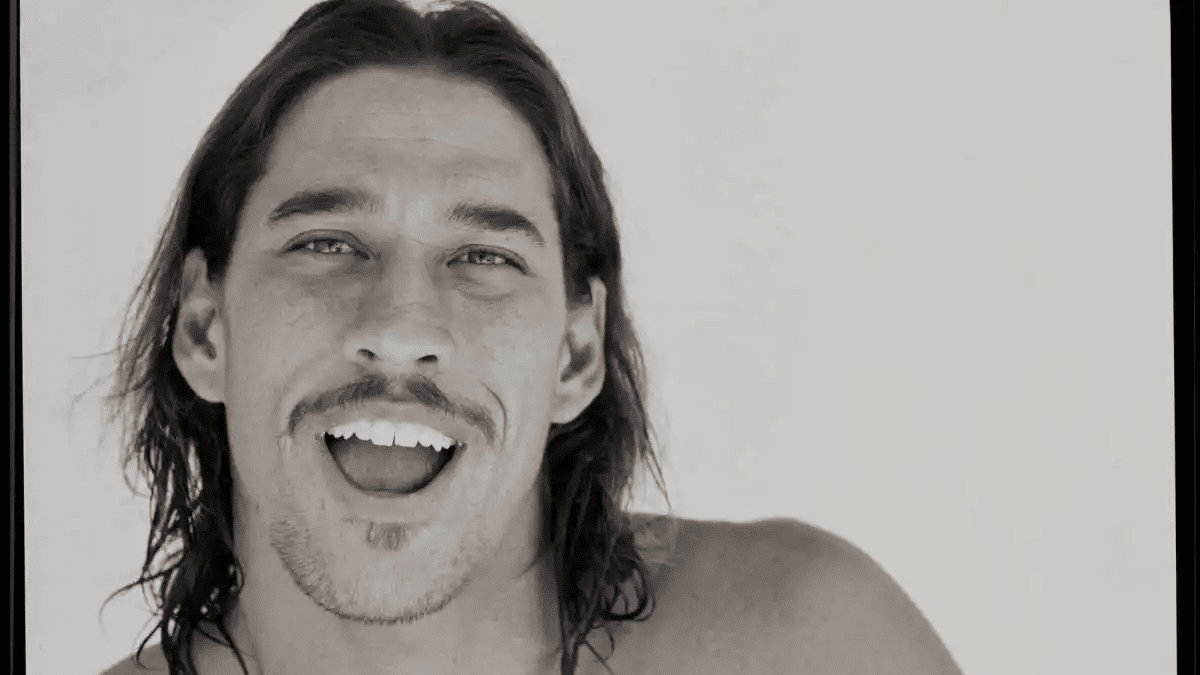
Image courtesy of IMBD
Tamayo Perry: The Life and Legacy of a North Shore Surf Icon
Tamayo Perry was a professional surfer, North Shore waterman, lifeguard, and cultural figure whose life became inseparable from the powerful waves of Oahu. Best known for his mastery of the Banzai Pipeline, Perry represented a generation of Hawaiian surfers who balanced fearless performance in heavy surf with deep respect for the ocean. His influence extended beyond competition into film, ocean safety, and surf education, making him a widely respected figure both in Hawaii and around the world.
Perry’s passing in 2024 brought renewed attention to his contributions and reinforced the reality that even the most experienced ocean professionals remain subject to the power and unpredictability of the sea. His story remains an essential chapter in modern Hawaiian surf history.
Growing Up on Oahu’s North Shore
Born in 1975 and raised on Oahu, Tamayo Perry grew up immersed in North Shore surf culture. The stretch of coastline he called home is known globally for producing some of the most dangerous and technically demanding waves on earth. From a young age, Perry learned to navigate powerful reef breaks, strong currents, and heavy winter swells that shape the character of Hawaiian surfing.
Like many North Shore surfers, his education came not from formal instruction but from observation, experience, and mentorship in the lineup. Pipeline, in particular, became central to his development. The wave’s shallow reef, fast takeoffs, and hollow barrels demand precision and commitment, and Perry quickly developed a reputation for comfort in conditions that intimidated even elite surfers.
Pipeline and Professional Surfing Career
Tamayo Perry surfed professionally for more than fifteen years, though his career did not follow the traditional world-tour path. Instead, his reputation was built through performances at heavy waves and key events that rewarded local knowledge and technical skill. His victory at the 1999 Pipeline Masters Trials marked a significant moment, earning him entry into one of the most prestigious and dangerous contests in surfing.
At Pipeline, Perry became known for deep, controlled tube riding rather than flashy maneuvers. His approach reflected a North Shore philosophy that prioritizes positioning, wave knowledge, and survival in critical conditions. While he competed selectively, his influence was strongest as a freesurfer whose sessions at Pipeline were closely watched and widely respected.
Beyond Hawaii, Perry also surfed powerful reef breaks internationally, reinforcing his status as a big-wave specialist rather than a points-chasing competitor.
Surfing, Film, and Media
Perry’s presence in surf culture extended naturally into film and television. His authentic North Shore background made him a natural fit for productions that required real water experience. He appeared in the surf film Blue Crush, which brought Pipeline and North Shore culture into mainstream awareness in the early 2000s.
He also worked in major Hollywood productions, including Pirates of the Caribbean: On Stranger Tides, as well as television series filmed in Hawaii. In these roles, Perry contributed not only as an actor but as a waterman whose understanding of ocean movement and wave behavior added realism to demanding water scenes.
His media work helped bridge the gap between local surf culture and global audiences, while maintaining credibility within the surfing community.
Lifeguard Service and Ocean Safety
In 2016, Tamayo Perry joined the City and County of Honolulu Ocean Safety Department as a lifeguard on the North Shore. This role represented a continuation of his lifelong relationship with the ocean, shifting from personal pursuit to public service.
As a lifeguard, Perry was responsible for monitoring some of the most hazardous swimming and surfing conditions in Hawaii. His experience in heavy surf made him particularly effective in rescue situations, and he was widely respected by colleagues for his calm decision-making and deep situational awareness.
Ocean safety was not an abstract concept for Perry. He understood firsthand how quickly conditions could change and how even experienced surfers could be caught off guard. His work reflected a belief that respect for the ocean must be paired with preparation and humility.
Teaching and Surf Education
Alongside his wife, former professional bodyboarder Emilia Perry, Tamayo co-founded Oahu Surfing Experience, a surf school based on the North Shore. The school focused not only on teaching surfing technique but on educating students about wave dynamics, lineup etiquette, and ocean safety.
Perry believed that surfing in Hawaii required more than athletic ability. Understanding the history of the breaks, the power of winter swells, and the responsibility surfers have to each other was central to his teaching philosophy. This approach aligned with traditional Hawaiian values of respect for place and community.
Through instruction, Perry helped pass down knowledge that might otherwise be learned only through years of trial and error in dangerous conditions.
The 2024 Shark Attack
On June 23, 2024, Tamayo Perry was fatally injured in a shark attack while surfing near Goat Island off Oahu’s North Shore. Emergency responders retrieved him from the water, but he was pronounced dead at the scene. He was 49 years old.
Fatal shark attacks in Hawaii are extremely rare, and the loss of a highly experienced surfer and lifeguard shocked both the local community and the global surf world. The incident served as a sobering reminder that the ocean remains wild and unpredictable, regardless of skill level.
In the days that followed, tributes poured in from surfers, lifeguards, filmmakers, and community members who spoke of Perry’s generosity, professionalism, and deep love for the sea.
Legacy in Hawaiian Surf History
Tamayo Perry’s legacy is defined not by trophies or rankings, but by respect. He earned his place in Hawaiian surf history through mastery of dangerous waves, commitment to ocean safety, and a willingness to share knowledge with others.
He represented a model of the modern Hawaiian waterman: skilled, grounded, community-oriented, and deeply aware of the ocean’s power. His life reflects the reality that surfing in Hawaii is not simply a sport, but a lifelong relationship with place, risk, and responsibility.
Perry’s story stands as a reminder that the history of surfing is shaped as much by character and service as by performance in the lineup.
Sources
