

Surf Culture
How to Read a Wave: The Hawaiian Way to Progress as a Surfer
Nov
Images courtesy of zackhowardsurf.com
How to Read a Wave: The Hawaiian Way to Progress as a Surfer
Reading a wave is more than a surfing skill — it’s a connection between the ocean and the rider. In ancient Hawaiʻi, surfing (heʻe nalu) wasn’t just recreation; it was a conversation with the sea. Knowing how to read the water was the mark of a skilled surfer — someone who understood rhythm, patience, and respect for nature.
Today, that same awareness remains the foundation of progression in surfing.
Understanding Wave Formation
Every wave tells a story — of wind, swell, and seafloor. When offshore winds meet deep-water swells rolling toward a reef or sandbar, energy begins to rise and form the peaks we surf.
In Hawaiʻi, the reef determines how a wave breaks. A gradual reef creates a long, mellow wave ideal for trimming or noseriding, while a sharp, shallow reef produces a fast, powerful barrel. Learning your local break’s personality — its takeoff zones, currents, and tides — is the first step toward reading waves like a seasoned surfer.
How to Read a Wave Before It Breaks
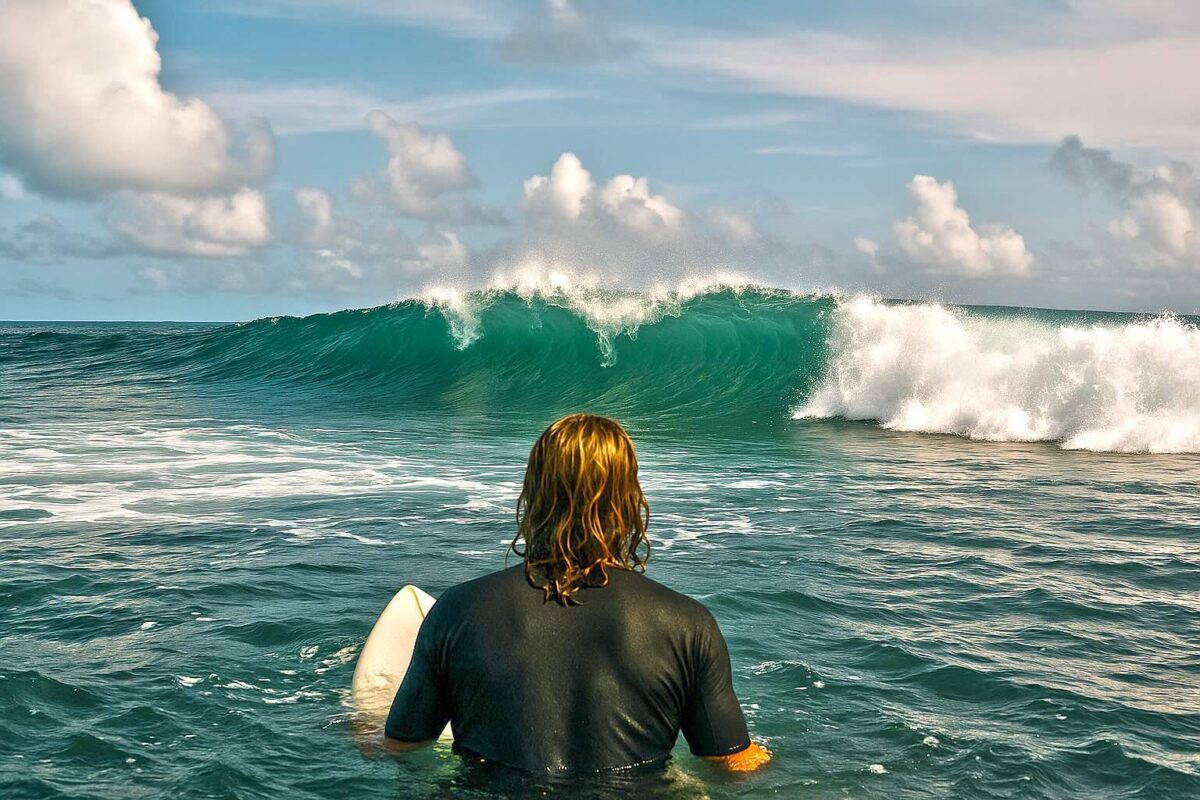
A good surfer doesn’t chase waves; they anticipate them. Watch the horizon carefully:
Identify the lumps — the first signs of incoming sets.
Notice where waves start to peak — that’s where you’ll want to position yourself.
Watch the angle of the swell — a steeper face usually means more power and speed.
Look for clues in the water’s texture — smooth, glassy sections often signal rideable faces; choppy or white sections show turbulence.
In Hawaiian surf spots, being able to read subtle changes in the ocean surface can mean the difference between catching the wave of the set — or being caught inside.
Choosing the Best Wave for You
Progression isn’t just about catching bigger waves — it’s about catching the right ones. The best wave for a surfer depends on experience, confidence, and board type:
Beginners should look for smaller, spilling waves that break gently.
Intermediates can begin seeking steeper shoulders and faster walls.
Advanced surfers hunt for hollow, barreling waves that demand precise timing.
A useful rule: if the wave looks like it’s going to close out (breaking all at once), let it go. Focus on open-faced waves that peel predictably along the line — those are your canvas for turns and maneuvers.
The Art of Patience and Position
The best surfers in the world — from ancient Hawaiian watermen to today’s pros — all share one skill: patience. Reading a wave means spending more time observing than paddling. Watch how others ride each wave in the lineup. See where they position themselves and where the waves are breaking consistently.
Once you spot a pattern, move quietly into position. Keep your body relaxed and your eyes on the horizon. Timing is everything: start paddling early enough to match the wave’s speed, but not so early that you lose momentum when it lifts you.
Progressing as a Surfer
Progression comes from blending observation, timing, and repetition. Here’s how to level up:
Study the lineup: Every session, spend the first 10 minutes watching before paddling out.
Film your sessions: Reviewing your take-offs and positioning helps you see what your eyes miss.
Surf different breaks: Beach breaks, reef breaks, and point breaks all teach unique lessons.
Respect the hierarchy: Understanding lineup etiquette keeps you safe and respected in the water.
True progress in surfing happens when awareness becomes instinct. When you can sense a wave before it even appears, you’ve begun to surf in harmony — the Hawaiian way.
Related Links
Keep Reading
- How to wax a surfboard
- How to duck dive properly
- 5 quick ways to improve your surfing
- Surfboard fin setups explained
