Legends
Fred Hemmings: The Man Who Made Surfing Professional
Jul
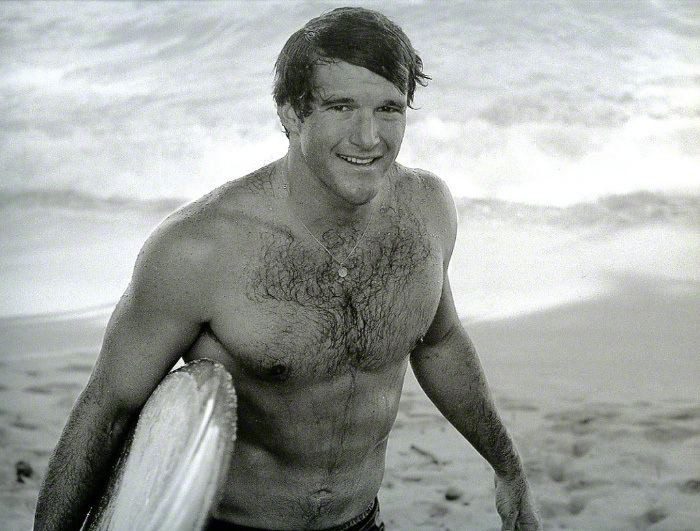
Every professional surf contest on earth — every heat sheet, every prize purse, every world title handed out on a beach — runs on rails Fred Hemmings laid down more than fifty years ago. Born in Honolulu on January 9, 1946, Hemmings won the 1968 World Surfing Championship, then walked away from competition at the top of his game to do something nobody had managed before: make surfing a profession. The Pipeline Masters, the Triple Crown, the first world tour — all of it started as one stubborn Hawaiian’s idea of what surfers deserved.
A Waikīkī Kid on Duke’s Team
Hemmings learned to surf at Waikīkī at eight years old, in the last era when the beach boys still ran the beach. He survived a childhood bout of polio without lasting effects, grew into a barrel-chested athlete at Punahou School — co-captain of the 1964 league championship football team — and caught the attention of the greatest waterman of them all. As a teenager, Hemmings joined the Duke Kahanamoku Surf Team alongside Paul Strauch and Joey Cabell, traveling with Duke as a living ambassador of Hawaiian surfing. He has called Duke his hero ever since.
Four Wins at Makaha
Before world tours existed, the Makaha International Surfing Championships was the closest thing surfing had to a world title — the proving ground George Downing‘s generation built on the west side. Hemmings took third there as a twelve-year-old junior in 1958, then won it four times — twice in the juniors (1961, 1963) and twice in the men’s division (1964, 1966) — adding the Peruvian International Championships in 1964. His surfing was never flashy: power, consistency, and clean lines drawn at full commitment, even through the heaviest sections.
Puerto Rico, 1968
The 1968 World Surfing Championship in Puerto Rico put Hemmings in the water against the two men who had defined the decade — 1964 world champion Midget Farrelly and 1966 world champion Nat Young. The shortboard revolution was detonating around them, and Hemmings, typically, wanted no part of the fashion — shortboards, he told an interviewer that year, “are absurd for Hawaiian surf.” He rode the finals at Rincón in clean six-foot surf without a mistake, accepted the trophy in a blazer and tie, and became the first world surfing champion from Hawaiʻi — the place that invented the sport. He was 22, and the straight-line conviction in his surfing and everything else had already earned him the nickname that stuck: Dead-Ahead Fred.
Retiring at 23 to Build a Profession
A year later, Hemmings quit competition entirely. It was the least sentimental retirement in surfing and the most productive. His conviction — heretical in 1969 — was that surfing was a sport, not a lifestyle accessory, and that the best surfers in the world deserved to be paid like athletes. He produced the Smirnoff Pro-Am, then in 1971 created the contest that became professional surfing’s crown jewel: the Pipeline Masters. The first edition was won by Jeff Hakman; within two winters Gerry Lopez had made the event synonymous with his own name. It remains the longest-running major contest in surfing. Through the 1970s Hemmings carried the sport onto American television, calling Hawaiian contests for ABC’s Wide World of Sports and CBS.
IPS and the Triple Crown
Contests were only the start. In 1975 Hemmings launched the World Cup of Surfing, and in 1976 he and Randy Rarick founded International Professional Surfers — the first world tour, stitching fourteen events across the globe into a single championship. IPS became the ASP, and the ASP became today’s World Surf League; the lineage runs straight back to Hemmings’ kitchen-table organization. He didn’t get to keep it — a 1982 revolt led by Ian Cairns replaced IPS with the ASP — so in 1983 Hemmings answered the way he knew best: he bundled Hawaiʻi’s three flagship contests into the Triple Crown of Surfing, still the measure of a North Shore season. Michael Ho won the first one. It is why surf writers long ago settled on a title for Hemmings: the father of professional surfing.
The Steersman
Like the watermen he grew up around, Hemmings never treated surfing as the whole of ocean life. He was a champion steersman in the Molokaʻi-to-Oʻahu outrigger canoe race — winning in 1967, 1968, and 1975, with a masters-division title later on — and he’s credited with more wins steering the Fourth of July canoe races at Waikīkī than anyone. In the old Hawaiian sense of the word, the résumé matters: canoe, board, channel, break.
Books, Politics, and Protecting the Ocean
Hemmings started writing a weekly Honolulu Star-Bulletin column at twenty and never stopped explaining Hawaiʻi to itself. His books — Surfing, Hawaii’s Gift to the World of Sports (1977), The Illustrated Encyclopedia of Surfing (written with Randy Rarick), The Soul of Surfing is Hawaiian (1997), and the memoir Local Boy (2017) — argue a single thesis: surfing is Hawaiian, and Hawaiʻi should own that inheritance. He carried the same conviction into politics, serving six years in the state House of Representatives, then a decade in the Hawaiʻi State Senate (2000–2010), where he led the Republican minority. Whatever readers make of the party label, his ocean record is hard to argue with: he championed the protection of the Northwestern Hawaiian Islands — now Papahānaumokuākea, one of the largest marine reserves on the planet — and pushed to have Hawaiʻi’s surf breaks designated as protected surfing reserves — which the state did in 2010, at Waikīkī and on the North Shore. One more footnote for the culture: his daughter, Kaui Hart Hemmings, wrote The Descendants, the novel behind the Oscar-winning film.
Fred Hemmings Today
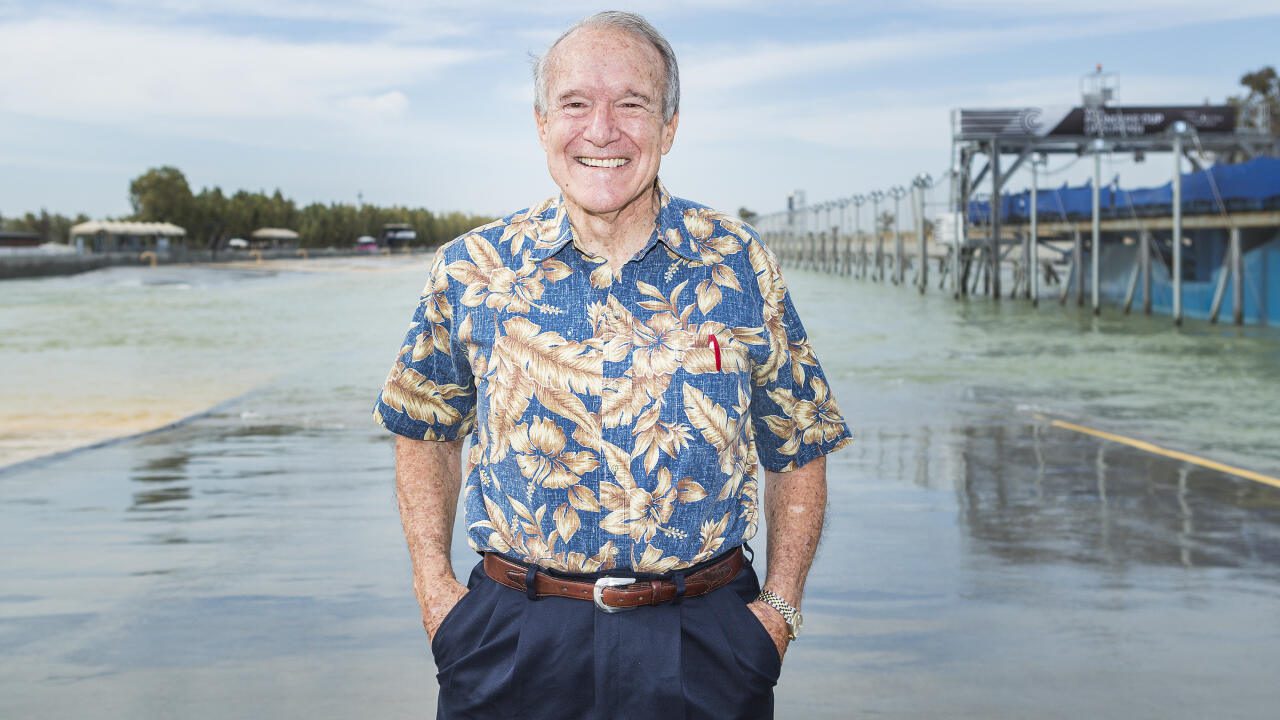
Hemmings is 80 now and still in Honolulu, still salty in every sense, a fixture at surf-community gatherings and an unfiltered voice on the sport he built. Watch any contest webcast this winter — the rankings, the purses, the trophy ceremony at Pipeline — and you are watching his blueprint, executed at scale, half a century on. The history of surfing in Hawaiʻi has plenty of chapters written in the water. Hemmings wrote his on land, and surfing has been collecting the dividends ever since.
Frequently Asked Questions
Who is Fred Hemmings?
Fred Hemmings is a Hawaiian surfer born in Honolulu in 1946 — the 1968 world surfing champion, founder of the Pipeline Masters and the Triple Crown of Surfing, co-founder of the first professional world tour, and a former Hawaiʻi state senator. He is widely called the father of professional surfing.
What titles did Fred Hemmings win?
He won the Makaha International four times (1961, 1963, 1964, 1966), the Peruvian International Championships in 1964, and the World Surfing Championship in Puerto Rico in 1968 — the first world title won by a surfer from Hawaiʻi.
Did Fred Hemmings create the Pipeline Masters?
Yes. Hemmings founded the Pipeline Masters in 1971 and ran it through its formative years. He later folded it into the Triple Crown of Surfing, which he created in 1983.
Is Fred Hemmings still alive?
Yes. As of 2026, Hemmings is 80 and lives in Honolulu.
What is Fred Hemmings’ connection to The Descendants?
The novel was written by his daughter, Kaui Hart Hemmings. The 2011 film adaptation starring George Clooney won the Academy Award for Best Adapted Screenplay.
Sources
- Encyclopedia of Surfing: Fred Hemmings
- World Surf League — WSL Heritage: Fred Hemmings
- Surfing Walk of Fame: Fred Hemmings, 2009 Surf Pioneer
- Hawaii Reporter: Fred Hemmings Goes Out of Politics on a Big Wave
- Punahou School Bulletin: Fred Hemmings Jr. ’65
- Wikipedia: Fred Hemmings
Related Reading
- Duke Kahanamoku: The Father of Modern Surfing
- Paul Strauch: The Hawaiian Legend Who Invented the Cheater Five
- Jeff Hakman: Mr. Sunset
- Gerry Lopez: Mr. Pipeline and the Art of the Tube
- Pipeline Surf Break Guide
- Makaha Surf Break Guide
Last updated: July 18, 2026
Get the next story by email.
